2026CADCAMFabricationMechatronics
Kovari Mechanical Design and Manufacturing
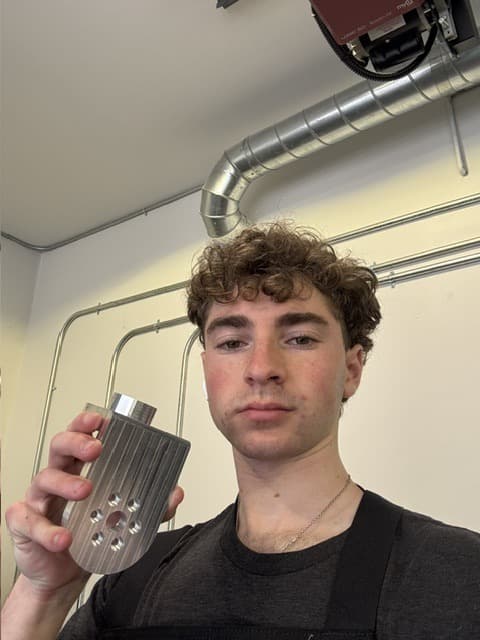
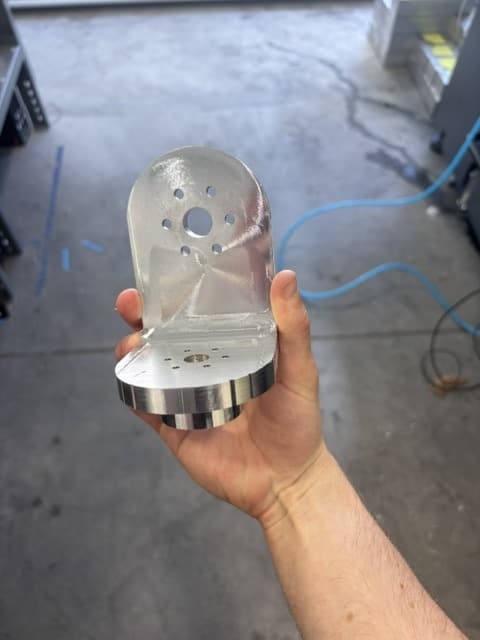
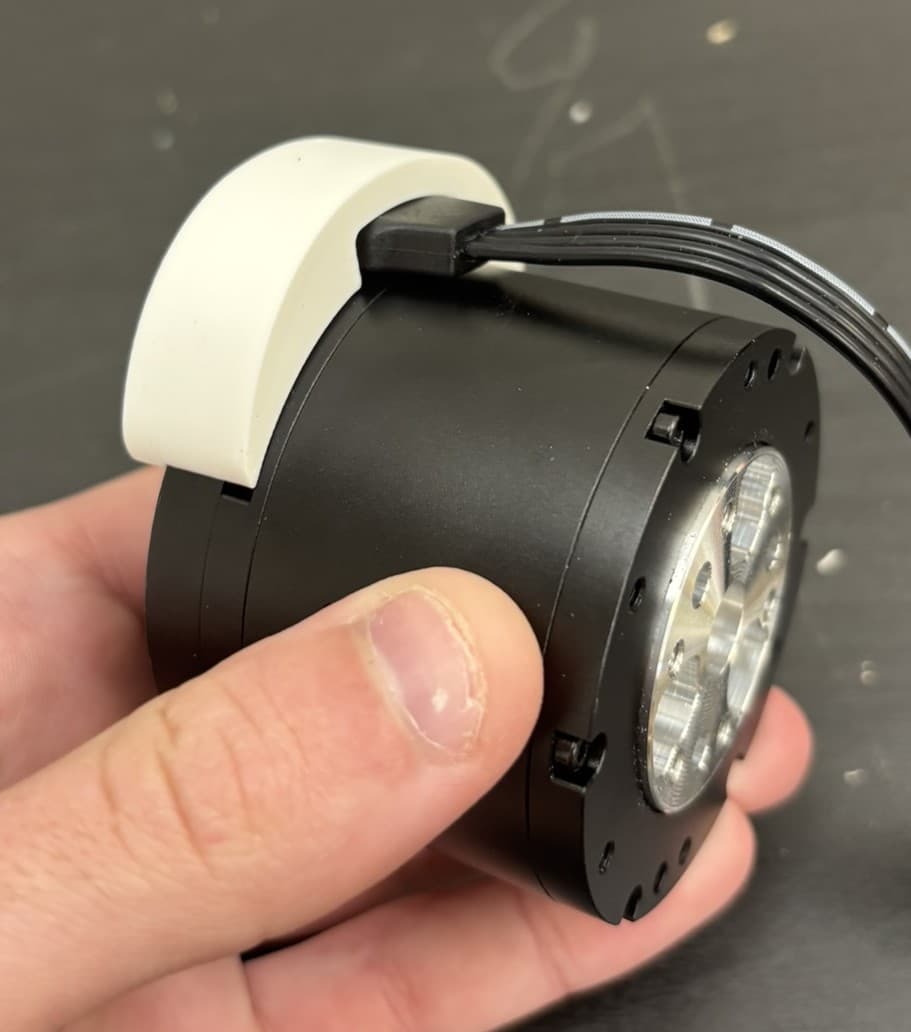
Three 3D-printed mounts for Kovari's teleoperated robots, plus seven CNC-machined robot arm components cut on a Tormach 1100 MX with machining time reduced by 46%.
OnshapeFDM 3D printingPLATormach CNC machiningCAM (Fusion 360)Rapid prototyping and tolerancing
Role
CAD design, CNC machining, fabrication, and tolerancing
Goal
Design and 3D print mechanical hardware for Kovari's teleoperated robots, covering cable management, camera mounting, and sensor harness integration across three separate components, and manufacture robot arm components on a CNC mill.
Challenge
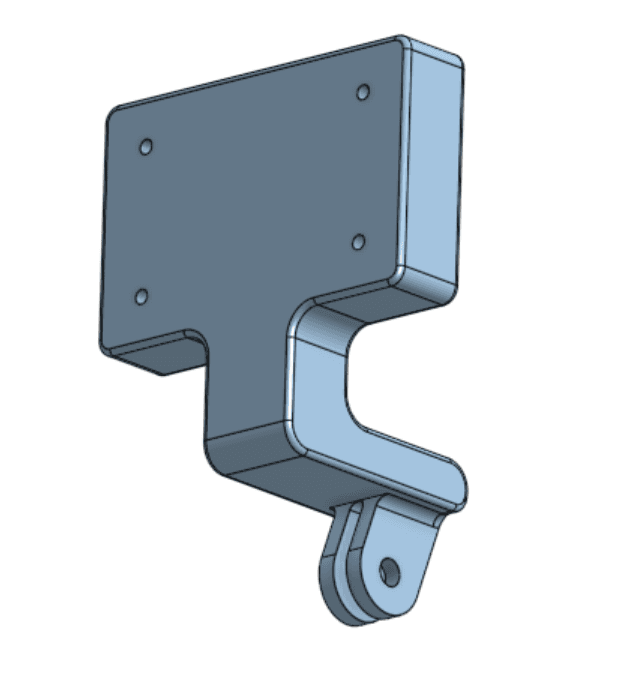
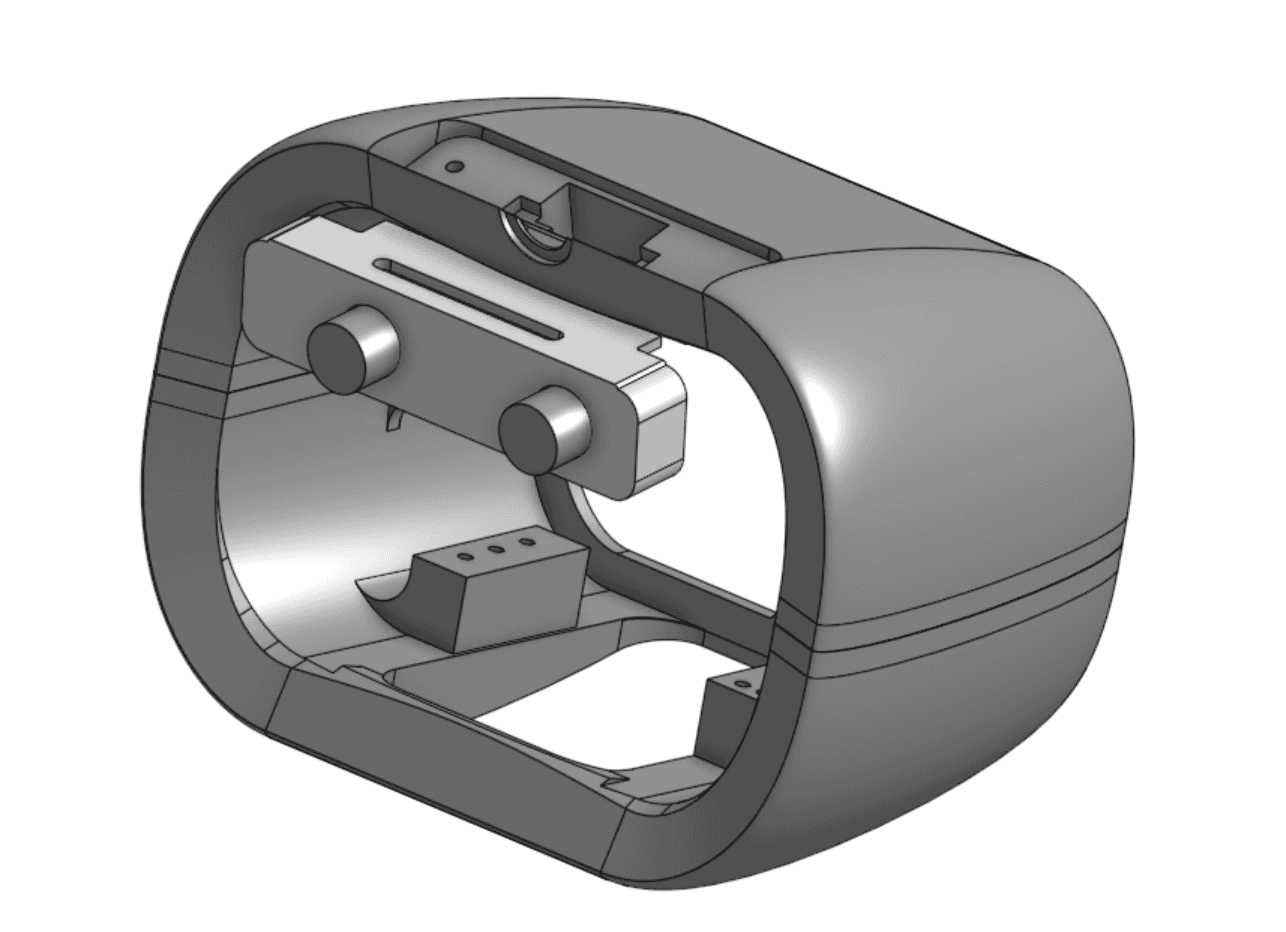
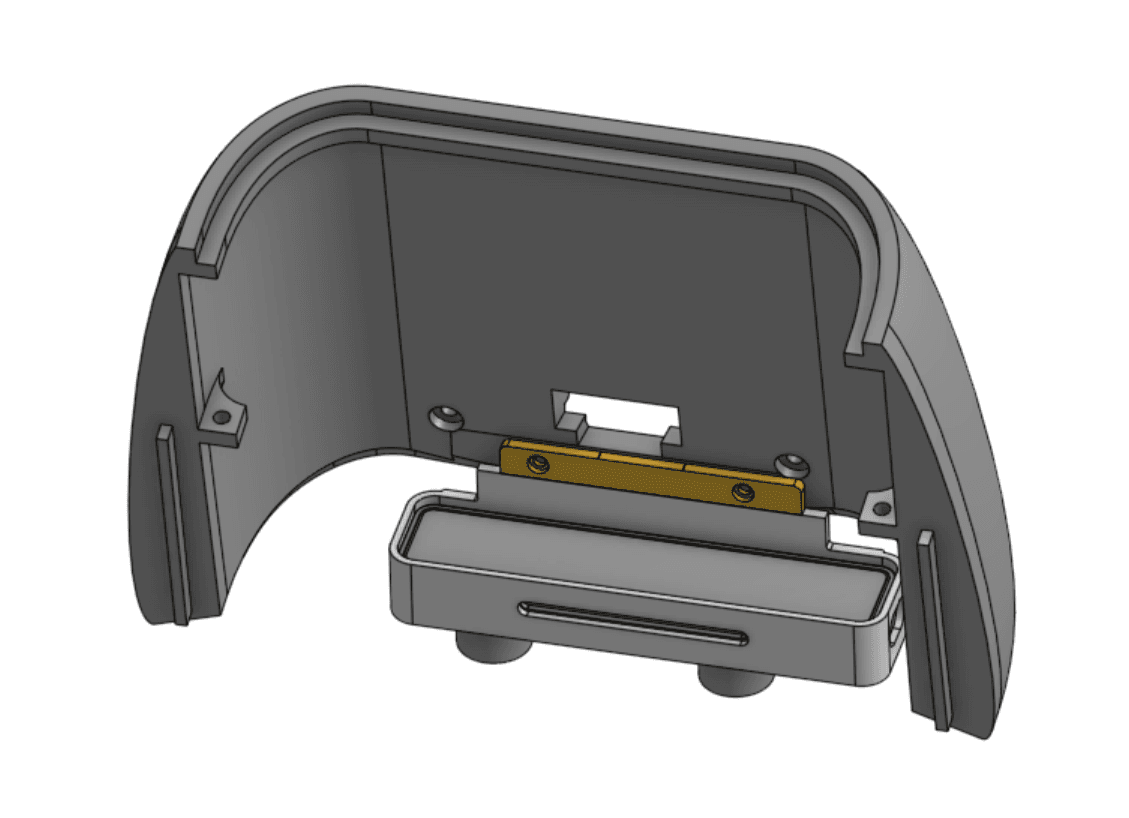
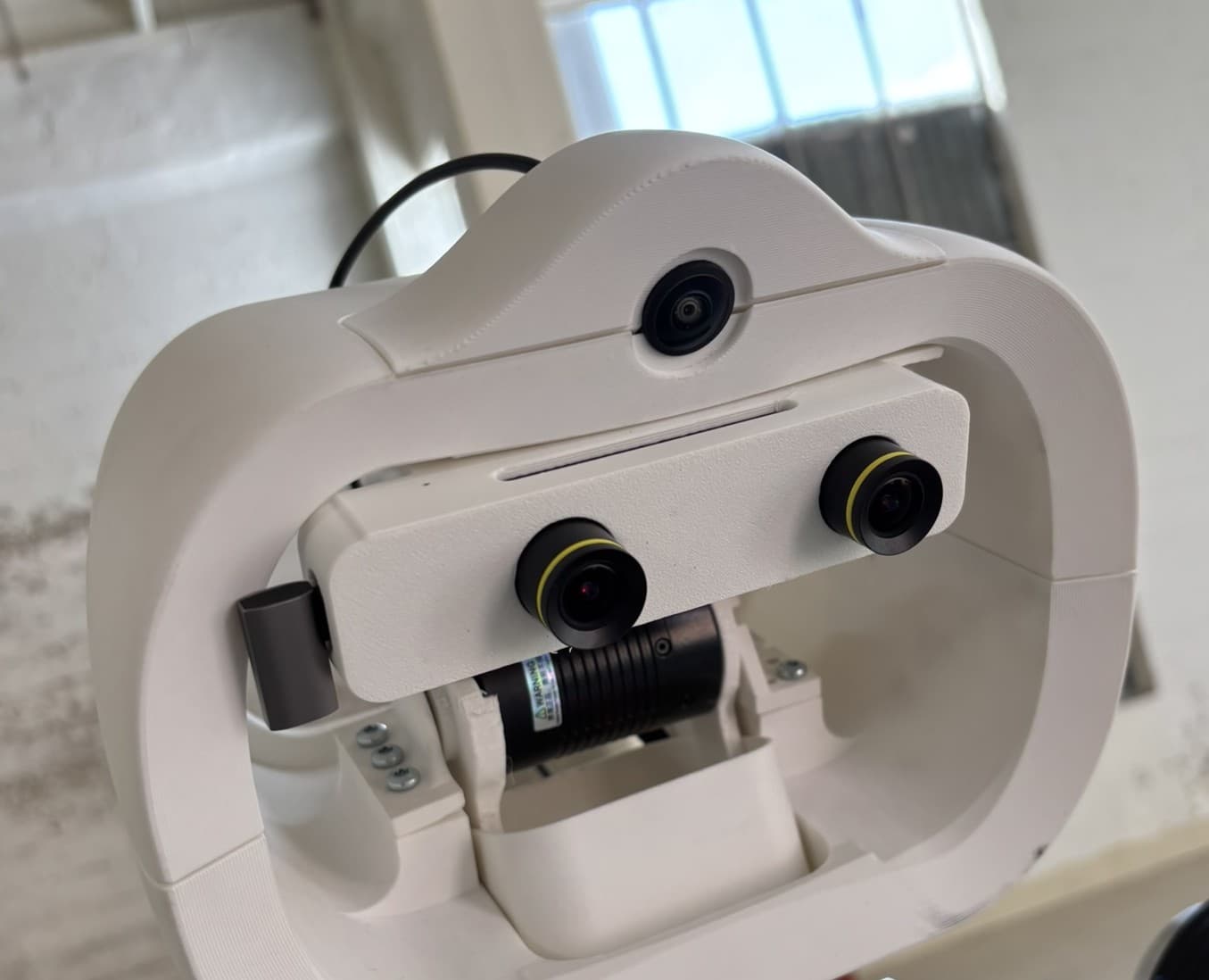
Each component had to work around fixed constraints it couldn't change. The wire holders needed to secure XT30 leads without restricting arm movement or blocking shroud clearance. The camera mount had to align an inherently off-center ZED Mini to the robot's centerline while clearing an existing head-mounted camera. The Raspberry Pi mount had to integrate onto a teleoperation harness's existing hardpoints alongside a Vive tracker without interfering with the operator.
Solution
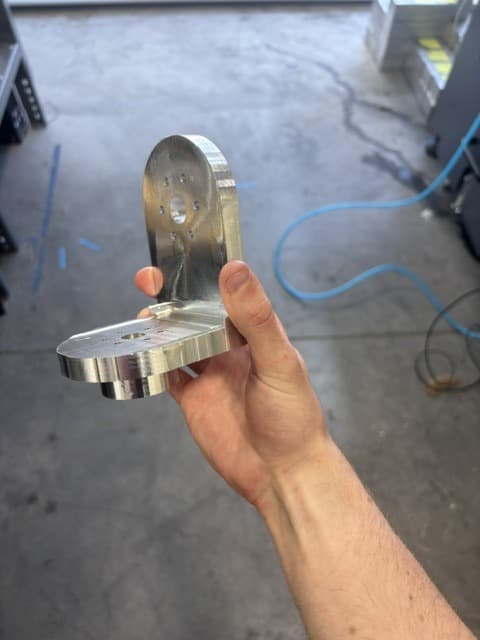
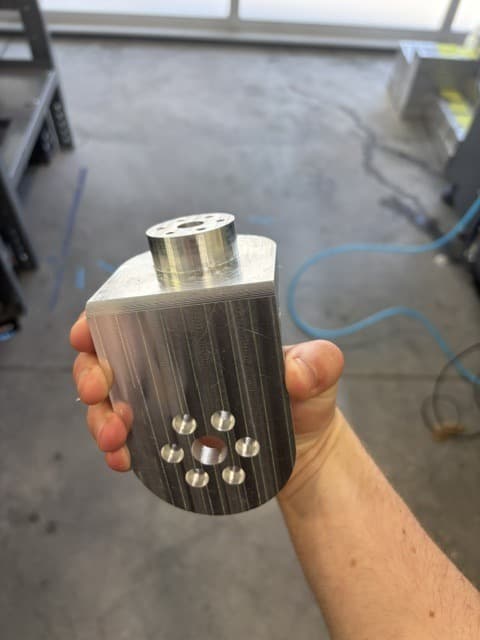
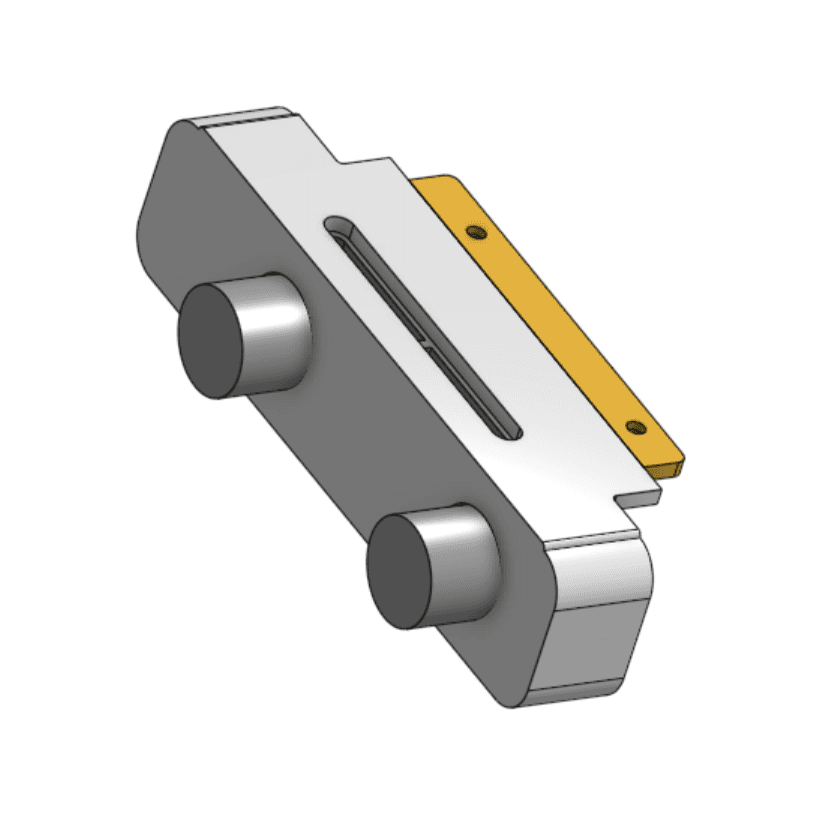
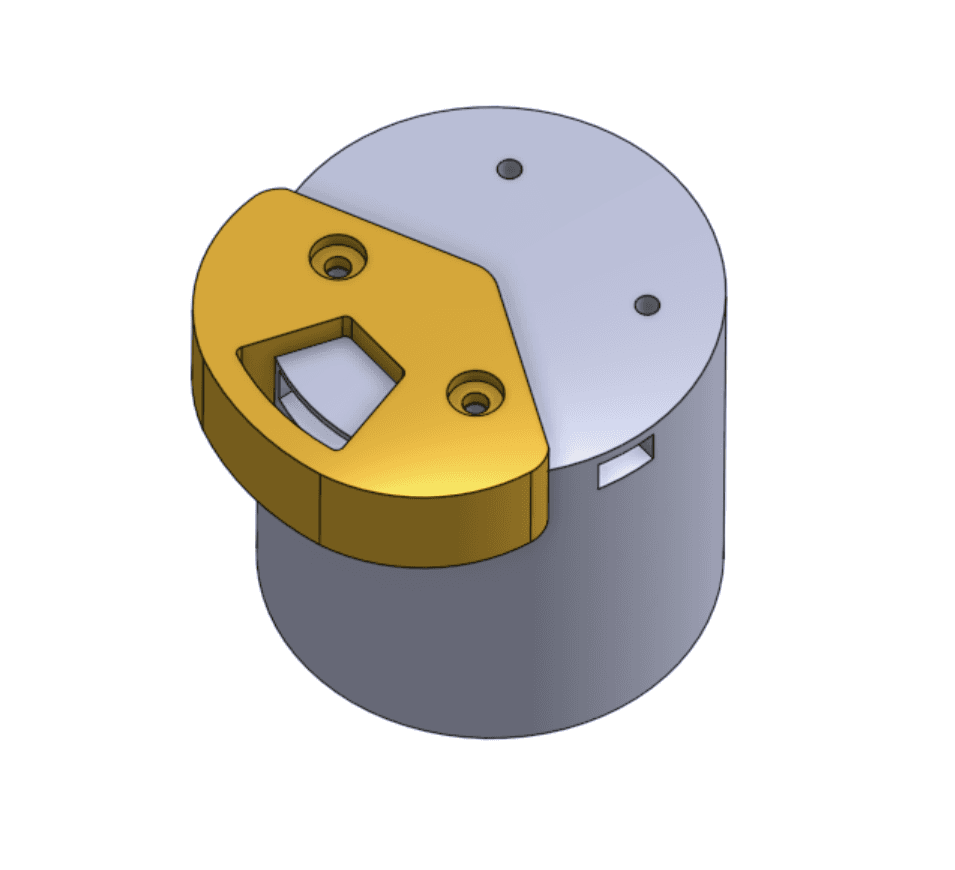
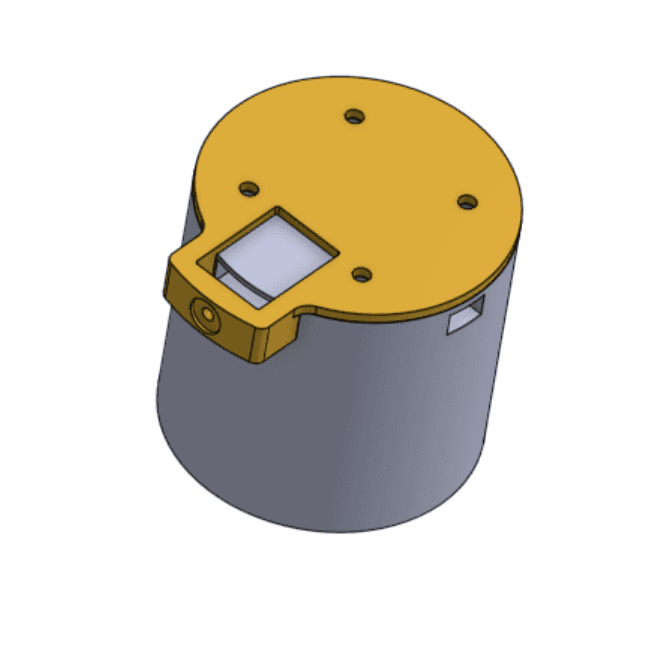
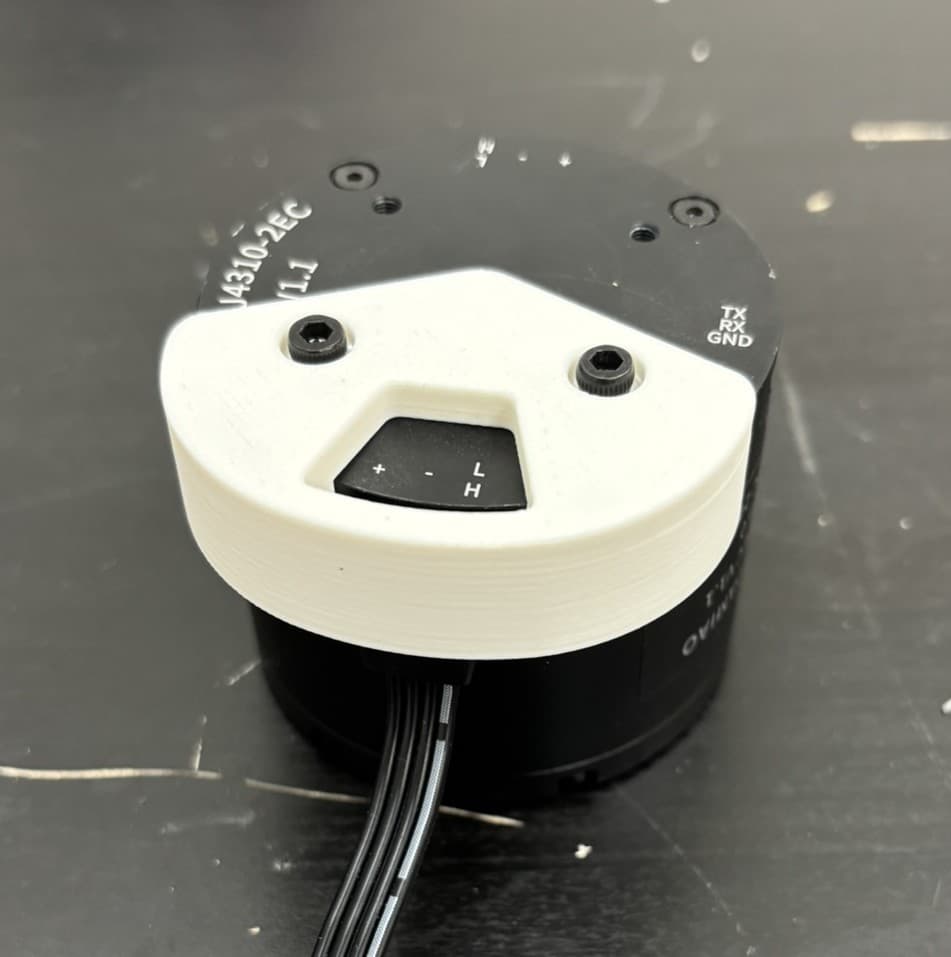
All three parts were modeled in Onshape and printed in PLA. Two XT30 wire holders replaced a silicone-based hold method with a rigid mount that routes cable slack away from the arm's range of motion while leaving room for the shroud. The ZED Mini mount was offset so its asymmetric cameras sit on the robot's centerline, with imported geometry corrected for an off-center error. The Raspberry Pi mount was built around the harness's existing hardpoints to hold both the Pi and a Vive tracker. On the manufacturing side, I machined parts on a Tormach 1100 MX 3-axis CNC mill, producing seven robot arm components across different setups. I programmed the toolpaths in Fusion 360 CAM and leveraged adaptive toolpaths, including 2D and 3D adaptive, to cut machining time.
Results
- ZED Mini camera mount converged in 2 print iterations with 0.3mm screw-hole tolerances and 0.1mm tolerance all around, centered on the robot's centerline and clear of the head camera.
- Two XT30 wire holders replaced a silicone-based hold method in 2 iterations, with arm movement and shroud clearance preserved.
- Raspberry Pi and Vive tracker mount fit the harness's existing hardpoints in 1 iteration, reinforcing design to fixed external constraints rather than idealized geometry.
- Machined seven robot arm components on a Tormach 1100 MX 3-axis CNC mill, using adaptive toolpaths to cut total machining time by 46%, from 39 to 21 hours.
Gallery